Planning a Kenya safari from Karnataka or anywhere in India can feel like a maze of conflicting advice. One blog says July is perfect, another says avoid August, and flight searches from Bangalore turn up confusing layovers.
This guide covers Kenya safari planning for Kannada speakers who want a straight answer. It gives honest details on cost, timing, permits, flights, and what to expect once you are in the bush.
What Does Kenya Safari Planning for Kannada Speakers Involve?
It comes down to a handful of decisions. These include dates around the migration and Indian holidays, flights from Bangalore, a budget in rupees, your eTA, and vegetarian food at your camps. The sections below cover each with real ranges instead of guesses.
How Many Days Do You Need for a Kenya Safari?
Most first-timers from India plan 7 to 10 days. Any shorter and you risk losing a whole day to jet lag and travel. Any longer gets expensive.
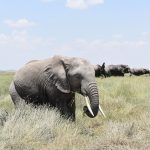
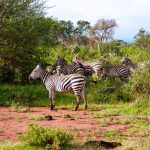
A 7-day trip usually covers two parks, most often Masai Mara and Amboseli. The Mara gives you big cat action and the wildebeest herds, while Amboseli gives you elephants with Mount Kilimanjaro as the backdrop. An 8-day or 10-day itinerary lets you add a third stop, like Lake Nakuru or Samburu. This works well for rhinos or rarer northern species such as the reticulated giraffe and Grevy’s zebra.
Plan for travel days between parks too. Distances look short on a map but roads are rough. A two-hour drive can easily take five, so factor this in or you will feel rushed.
What Is the Best Time to Visit Kenya from India?
Kenya has two dry seasons and two wet seasons. The dry seasons are best for wildlife viewing.
The main dry season runs from late June to October, when the Masai Mara hosts the Great Migration. River crossings are most likely in August and September. It is also the most crowded and expensive time.
The shorter dry season, January to February, is a hidden gem. Grass is low, animals gather at waterholes, and you get fewer crowds and better rates than peak season.
The wet seasons run March to May and November to December. Long rains shut many camps, and short rains are lighter. You can find good deals, but wildlife is more dispersed and roads can turn muddy.
For Indian travelers, the dry season lines up well with Dussehra and Diwali. October is a good middle ground: the migration is still around early in the month, but the big August crowds thin out. The May school break is poor for viewing, so use it only if there is no other option.
If you want a deeper seasonal breakdown, check our best time to visit Kenya guide for a month-by-month comparison.
Do Indian Citizens Need a Visa or eTA for Kenya?
Yes, you need a Kenya eTA before you fly. It replaced the old visa system, and you apply online at the official Kenya eTA portal. The process takes a few days, so do not wait until the last minute.
The eTA costs around USD 30 to 40 for a single entry, roughly INR 2,500 to 3,500 depending on the exchange rate. The application asks for passport details, a photo, your flight itinerary, and proof of accommodation. Your passport must be valid for at least six months from arrival.
The eTA is valid for 90 days from issue and covers a single entry. If you plan to visit Tanzania or Uganda and return to Kenya, get a multiple entry eTA instead, which costs more. The official site can be slow, so be patient and stick to the government portal rather than an agent to avoid scams.
How Do I Get from Bangalore to Nairobi and How Long Does It Take?
There are no direct flights from Bangalore to Nairobi as of early 2026. You will need one stop, sometimes two, through hubs like Addis Ababa, Doha, Dubai, or Mumbai. A typical route is Bangalore to Mumbai, then a direct flight to Nairobi. Total flying time is around 8 to 9 hours. With layovers, expect 12 to 15 hours door to door, and a couple more if you connect through Doha or Dubai.
The main airport in Kenya is Jomo Kenyatta International Airport (NBO) in Nairobi. Most mid-range and luxury safaris include a domestic flight from there to the Masai Mara or Amboseli. It takes about an hour and saves a full day of driving. Keep at least 3 hours between arriving back from safari and your international departure, since Kenyan airport security checks can be slow.
How Much Does a Kenya Safari Cost from Bangalore?
Safari costs vary by style, season, and camp. Here is a realistic breakdown in Indian rupees, indicative ranges for 2026, per person per day, including accommodation and most meals.
| Safari Style | Per Person Per Day (INR) | What You Get |
|---|---|---|
| Budget camping | 6,000 – 12,000 | Basic tented camps, shared facilities, group vehicle |
| Mid-range lodge | 12,000 – 25,000 | En-suite rooms, pool, private vehicle often included |
| Luxury lodge or tented camp | 25,000 – 60,000 | High-end service, private guide, gourmet food, sundowners |
Park entry fees are separate and usually included in your package. The Masai Mara fee is set by the Narok County Government, not the national parks authority. Non-resident adult rates run USD 100 per day from January through June. They rise to USD 200 per day from July through December, when the migration is in the Mara. Amboseli has its own separate fee structure and does not follow that same seasonal jump. Confirm current rates with your operator, since fees change often.
The biggest cost driver is the vehicle. A private vehicle for two or three people costs much more per person than a shared one. Traveling alone, a group safari saves a lot.
For a full breakdown of what affects the final price, see our detailed guide on Kenya safari cost for more numbers and examples.
Which Is Better for First-Timers: Masai Mara or Amboseli?
Both are superb, but different experiences. The Masai Mara is the showpiece, with the highest density of big cats in Kenya. Lions, leopards, and cheetahs are common, and the open grasslands make game viewing easy. Between July and October, you also see the Great Migration with its herds and river crossings.
Amboseli is smaller and more intimate, with open swamps and plains. Elephants are the stars, with large family groups and big tusks a common sight. Mount Kilimanjaro looms over the park, though it often hides behind clouds in the afternoon.
Choose the Masai Mara for the classic African safari image, or Amboseli for a quieter experience with predictable elephant sightings.
If you have time, do both, though it takes planning. The two parks sit on opposite sides of Nairobi with no direct paved road between them, so an overland transfer is long. Most operators fly you between the parks or route you back through Nairobi instead. Ask for a current drive time estimate rather than trusting a map, since the two-hour-can-become-five caution above applies here too. See our Masai Mara vs Amboseli guide, our Masai Mara guide, and our Amboseli guide for more detail on each park.
Are Vegetarian Food Options Available on Safari?
Yes, and better than you might expect. Most camps and lodges in Kenya are used to serving Indian visitors, and pure vegetarian and Jain meals are common.
Expect a mix of Kenyan and Indian food. Breakfast is usually a buffet with eggs, toast, fruit, and porridge. Lunch and dinner bring rice, dal, vegetable stews, and chapati, and several Mara camps keep Indian chefs on staff. Tell your operator about your dietary needs, including any restriction on eggs, onion, or garlic, when you book, and reconfirm a week before you arrive. Carry snacks like roasted chana or biscuits for the long game drives, since meal times can shift.
What Should I Pack for a Kenya Safari?
You do not need formal clothes. Pack neutral colors like khaki, beige, and olive, since bright colors and dark blue attract tsetse flies in some parks. Long sleeves and trousers protect against sun and mosquitoes, especially at dawn and dusk.
Bring sturdy walking shoes and a pair of sandals for camp. Add a sun hat, sunglasses with UV protection, sunscreen, insect repellent with DEET, and a small flashlight for night walks to the tent. Binoculars help, but most safari vehicles already carry a pair.
Do not forget a universal power adapter. Kenya uses the British Type G three-pin plug, different from the round-pin sockets used in India. A power bank helps too, since charging points in tents can be limited.
For a full checklist, refer to our Kenya safari packing list.
Is Kenya Safe for Indian Tourists and Solo Travelers?
Yes, Kenya is safe for tourists who follow basic precautions. The safari areas you will visit, like the Masai Mara and Amboseli, are well managed with low crime rates.
Most camps are fenced or have guards, and staff are professional. Follow ranger instructions during game drives, and do not step out of the vehicle unless told it is safe.
In Nairobi, use common sense. Do not walk alone at night in unfamiliar areas, and use hotel taxis or ride-hailing apps.
Solo travelers, both men and women, are common, and many join group safaris for company and lower cost. A solo woman might get extra attention, but it is rarely aggressive. Choose a reputable operator and tell someone your itinerary.
Carry malaria prophylaxis. Nairobi is low risk, but the Mara and Amboseli are not, so see a travel doctor 4 to 6 weeks before you go.
When Is the Great Migration River Crossing in the Masai Mara?
The Great Migration is a year-round cycle, but the river crossings in the Mara follow a pattern. Herds push north from Tanzania’s Serengeti into Kenya’s Mara between late June and October. The famous crossings of the Mara River happen from July to October, peaking in August and September. They are not a daily guarantee, though. You might see one on your first game drive or wait three days, depending on grass, water levels, and the animals’ mood.
For a very high chance of seeing a crossing, aim for late August or early September. That is the busiest and priciest window, and it lines up with the higher park fee period noted above. October is also good, especially the first half, with fewer vehicles.
For more detail on timing, see our best time to visit Masai Mara guide.
How Do I Choose a Safari Style: Lodge or Camping, Group or Private?
Most first-timers from India pick a mid-range lodge with a private vehicle, a good balance of comfort, cost, and flexibility.
Lodges have permanent walls, private bathrooms, and often a pool. Tented camps range from basic, with shared shower blocks and mosquito nets, to luxurious, with big canvas tents, proper beds, and en-suite bathrooms.
A private vehicle costs about twice as much per person, but you control the pace and do not share space with strangers. A group vehicle is cheaper, though you must accommodate different viewing interests. If you are a keen photographer, go private.
TouringInsights is a safari operator and can help you plan a trip that fits your budget. Use our guides, then compare packages on partner sites.
Ready to Compare Safari Options?
Visit FindMySafari or Valley Safaris to browse safari packages and compare operators on price, vehicle type, camp quality, and included extras. Read recent reviews, ask for a detailed itinerary before you pay, and reconfirm your dietary needs before you fly.
Where Can I Find More Kenya Safari Guides?
- Best time to visit Masai Mara, a month-by-month look at the migration.
- Kenya safari cost guide, a deeper price breakdown.
- Kenya safari packing list, a full gear checklist.
More safari planning resources
- Masai Mara Great Migration guide from Trunktrails Safaris
- Best time to visit Kenya month-by-month map from Valley Safaris
- Compare Kenya safari packages on FindMySafari
- Kenya wildlife tours from Trunktrails Safaris
Related guides: Kenya Safari Planning for Bhojpuri Speakers: Guide.